
Featured
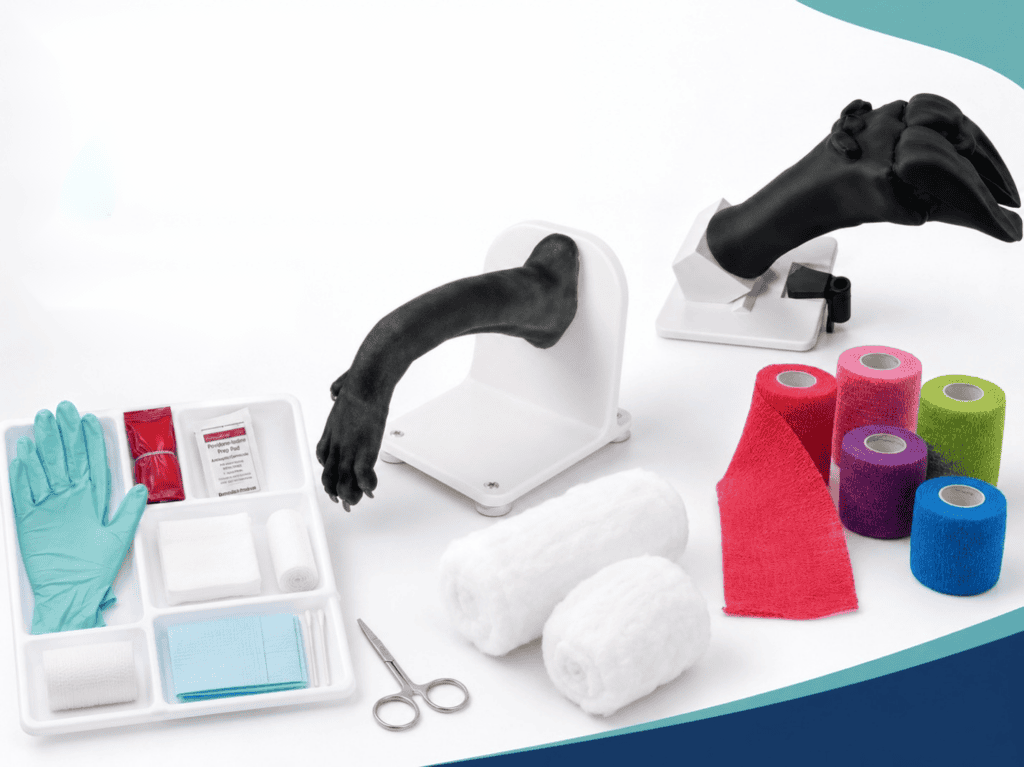
How to Teach Veterinary Bandaging and Wound Care
Veterinary bandaging is a hands-on skill in which small technique differences matter. An appropriately applied bandage can protect a wound, […]
Read More ›Stay informed and inspired with our veterinary blog, featuring expert insights, industry updates, training resources, and the latest advancements in veterinary simulation and education.
Veterinary bandaging is a hands-on skill in which small technique differences matter. An appropriately applied bandage can protect a wound, […]
Read More ›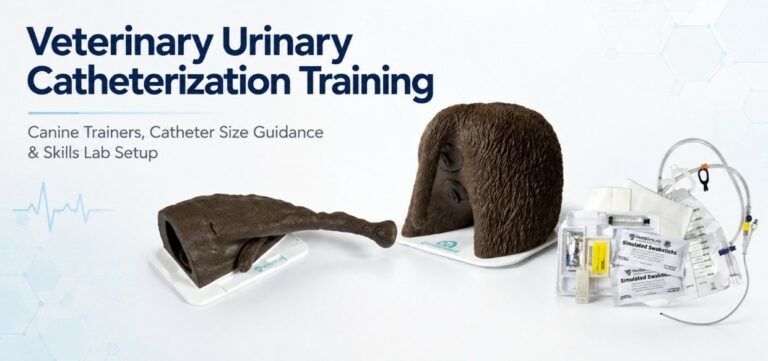
Veterinary urinary catheterization combines anatomical knowledge, catheter selection, patient positioning, aseptic technique, controlled advancement, placement confirmation, securement, and…
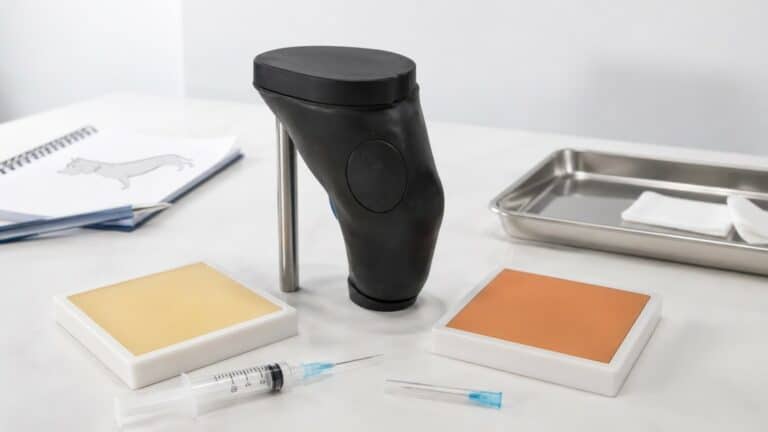
Injection training is one of the most frequently practiced hands-on skills in veterinary education. But “giving an injection”…
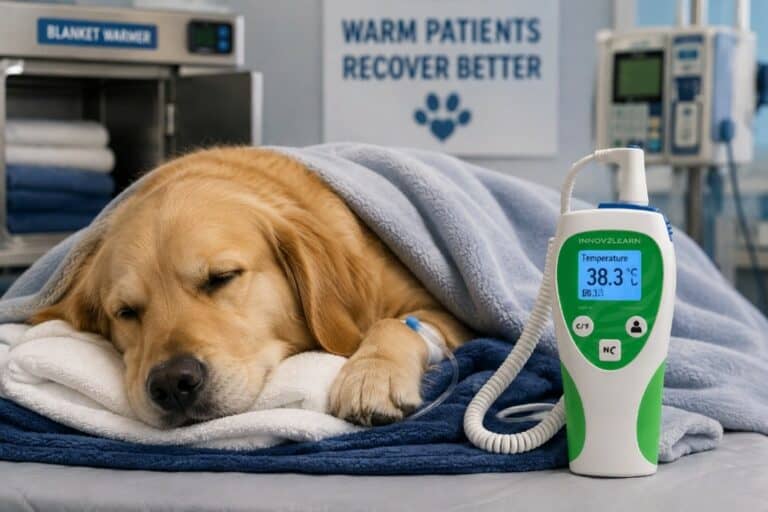
Hypothermia prevention should be taught as an active patient-care workflow rather than a single warming-device skill. Students need…
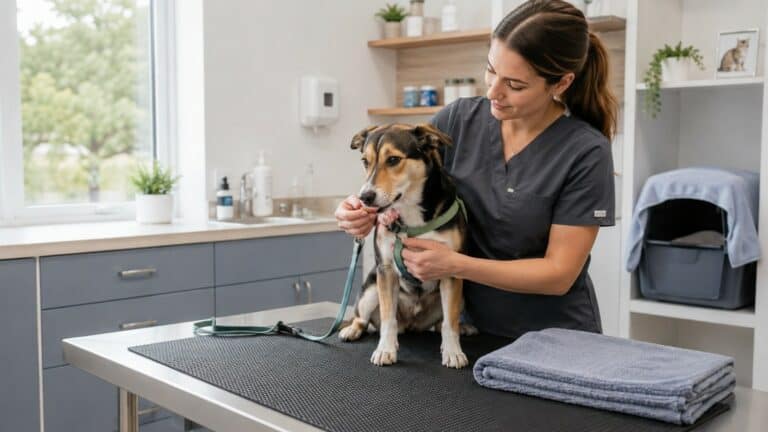
Low-stress handling is not the absence of restraint. It means using the least restrictive, least stressful method that…
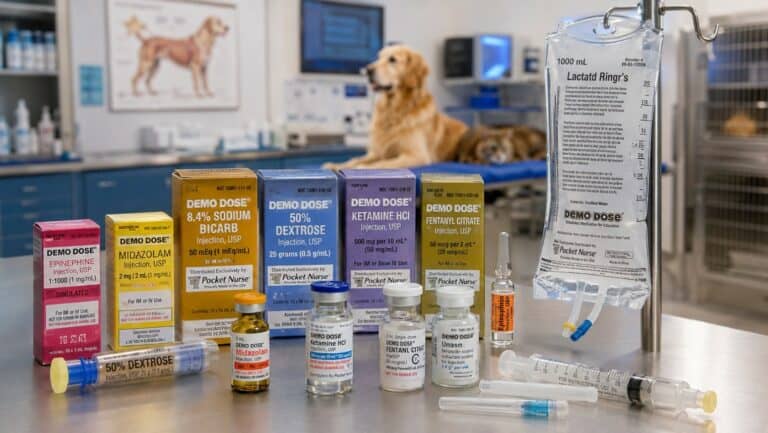
A strong veterinary medication lab is not a shelf full of simulated drugs. Students need to practice the…
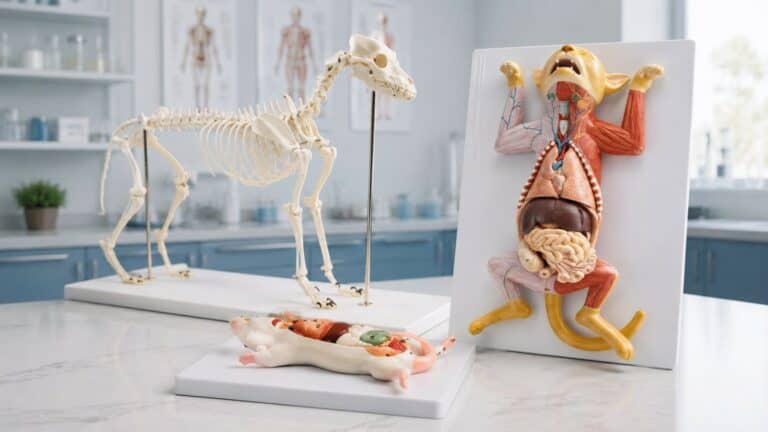
The best veterinary anatomical model is not necessarily the biggest, most detailed, or most expensive. It is the…
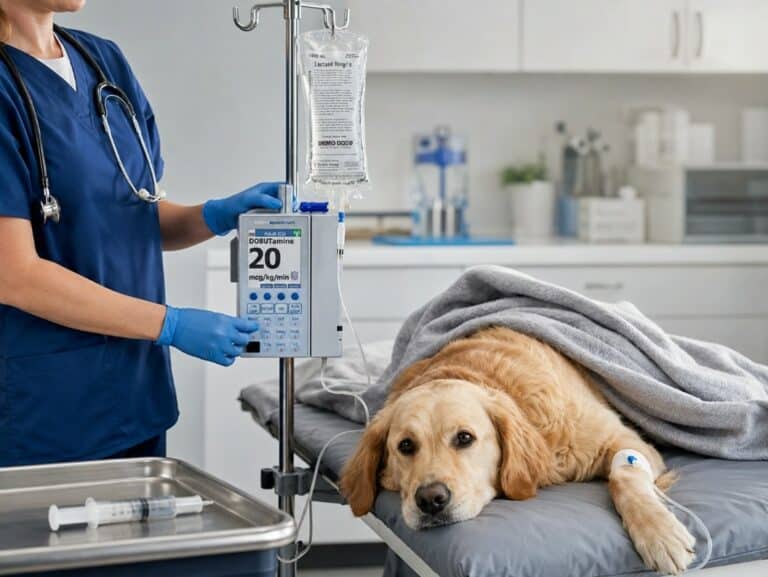
Fluid therapy training should teach more than how to connect an IV line. Students need to assess the…
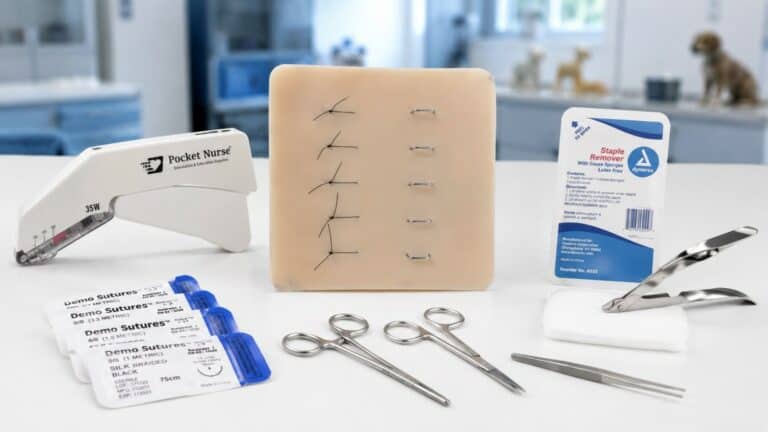
Suture and staple removal is easy to overlook when building a veterinary skills lab. Students may learn wound…
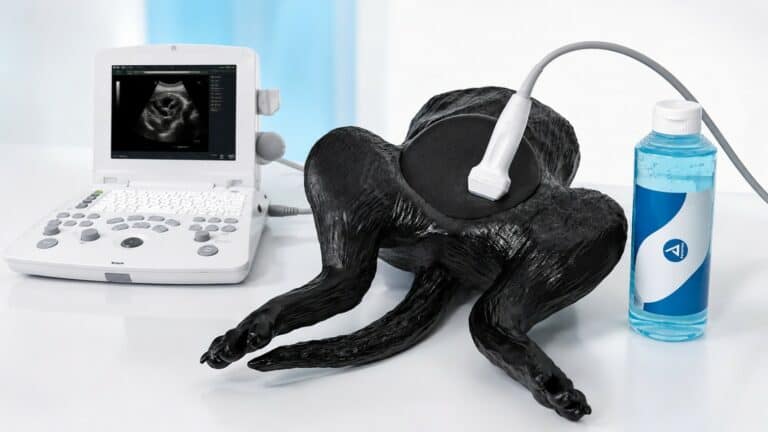
Cystocentesis training is more than teaching a needle placement technique. Students need to locate the bladder, interpret what…