
FEATURED
Advancing Veterinary Education Through Simulation
Simulation-based training is transforming how veterinary students develop clinical skills — providing safe, repeatable practice before working with live animals.
READ MORE ›Stay informed and inspired with our veterinary blog, featuring expert insights, industry updates, training resources, and the latest advancements in veterinary simulation and education.
Simulation-based training is transforming how veterinary students develop clinical skills — providing safe, repeatable practice before working with live animals.
READ MORE ›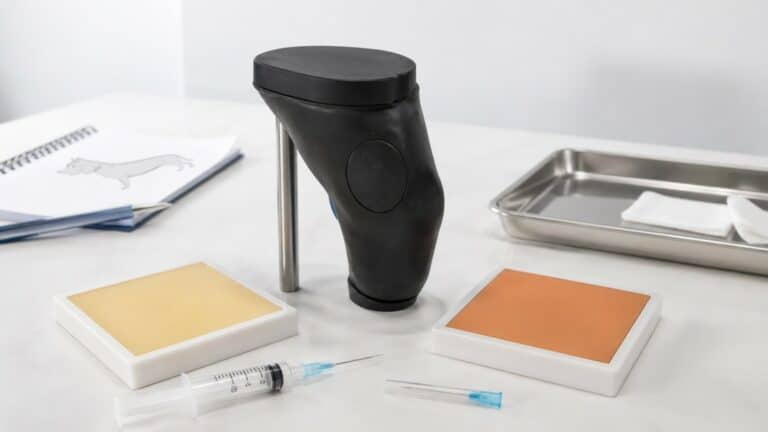
Injection training is one of the most frequently practiced hands-on skills in veterinary education. But “giving an injection” is not…
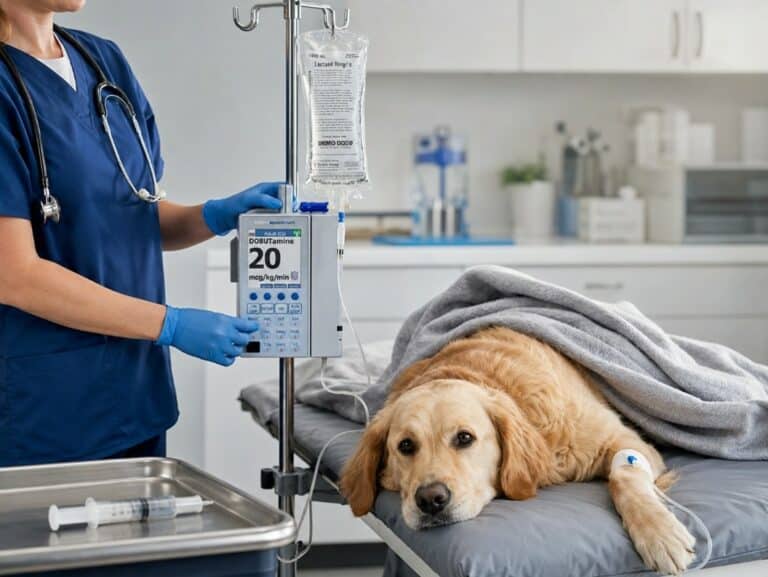
Fluid therapy training should teach more than how to connect an IV line. Students need to assess the patient, understand…
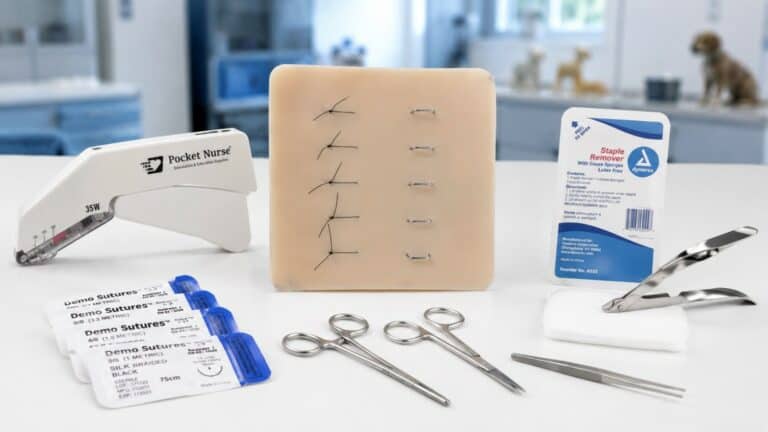
Suture and staple removal is easy to overlook when building a veterinary skills lab. Students may learn wound closure, but…
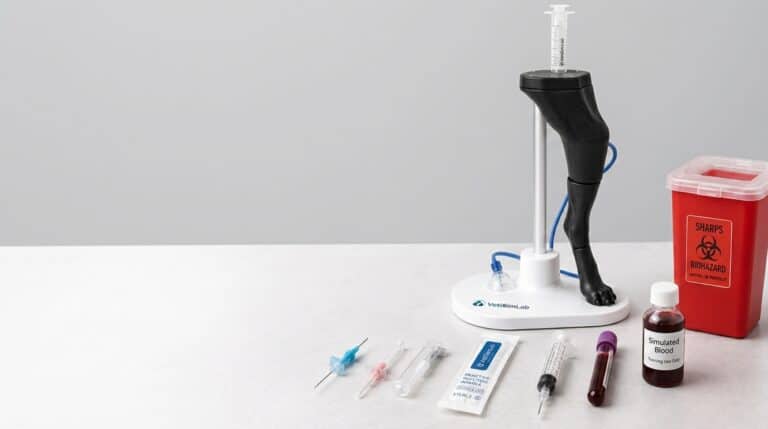
Drawing blood and placing an IV catheter are among the first clinical procedures veterinary students and technicians learn, and among…
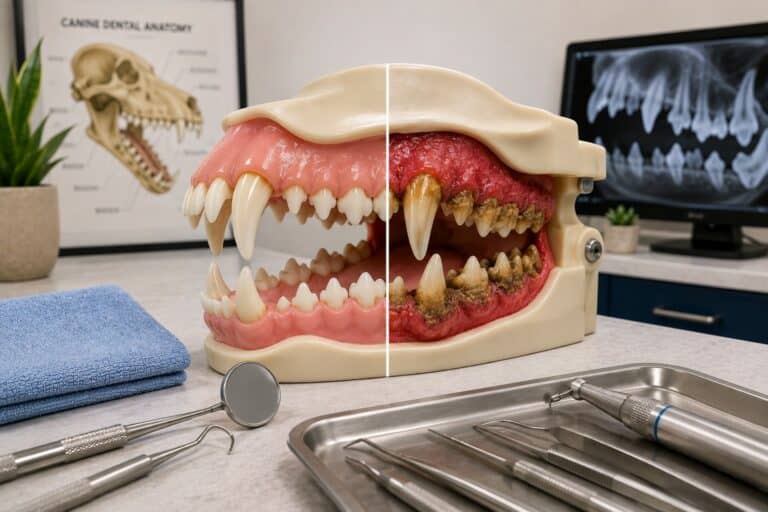
Periodontal disease is one of the most common oral conditions affecting companion animals. Up to 80% of dogs and 70%…
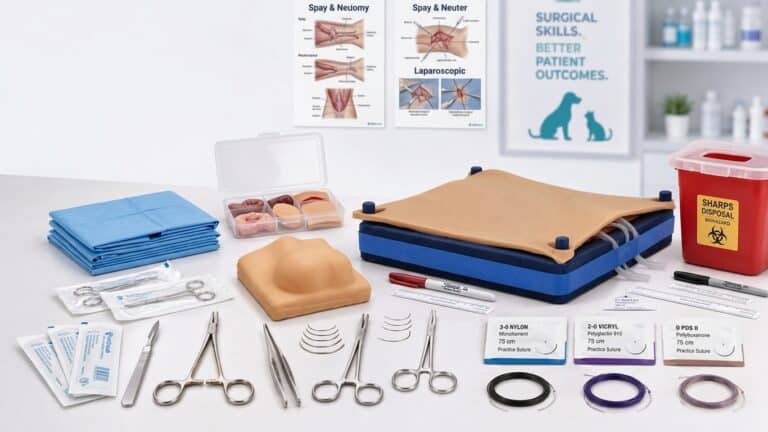
Spay and neuter procedures are among the most common surgeries in small-animal and shelter medicine and are an important part…