
FEATURED
Advancing Veterinary Education Through Simulation
Simulation-based training is transforming how veterinary students develop clinical skills — providing safe, repeatable practice before working with live animals.
READ MORE ›Stay informed and inspired with our veterinary resources, featuring expert insights, industry updates, training resources, and the latest advancements in veterinary simulation and education.
Simulation-based training is transforming how veterinary students develop clinical skills — providing safe, repeatable practice before working with live animals.
READ MORE ›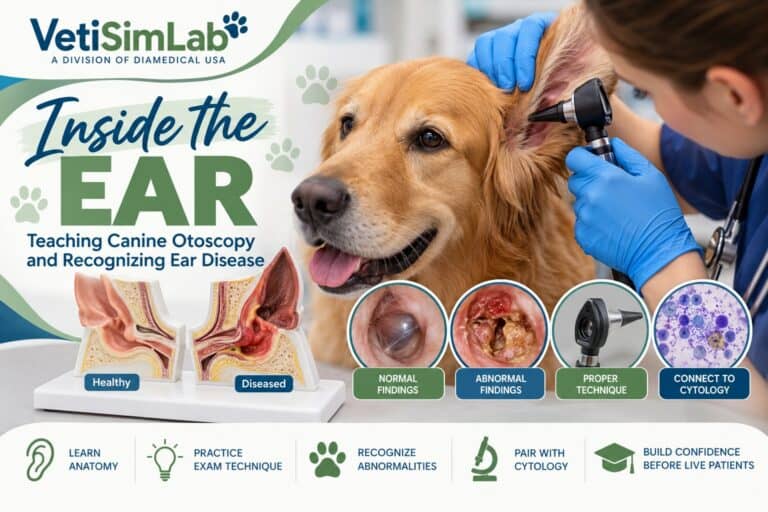
A practical guide to ear anatomy, gentle examination, diagnostic reasoning, and repeatable skills-lab teaching. A dog shaking its head, scratching…
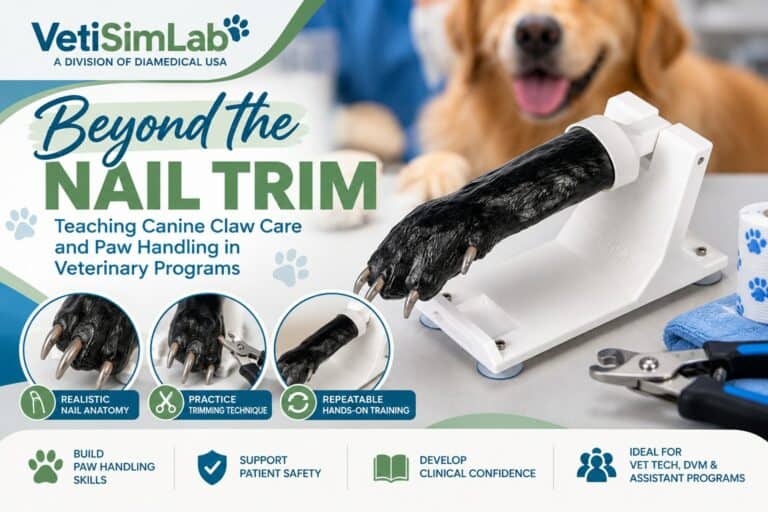
A Hands-On Approach to Safe Trimming, Patient Comfort, and Repeatable Skills Practice. Why Canine Claw Care Belongs in the Veterinary…
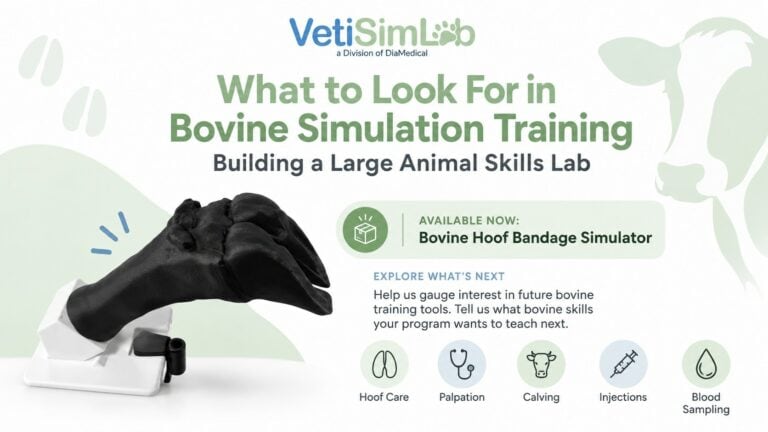
Start With Practical Hoof-Care Training, Explore Broader Bovine Skills, and Help Guide What Comes Next. Build a Large Animal Skills…
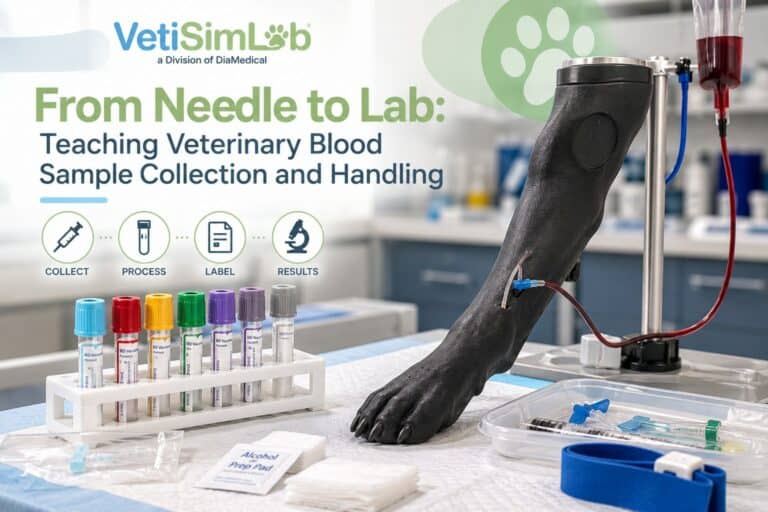
Help Students Practice the Full Specimen Journey, Not Just the Needle Stick. The student finds the vein. The syringe fills.…
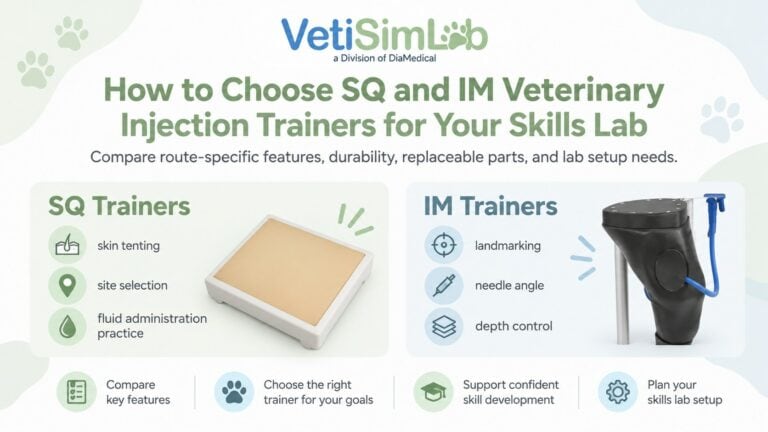
A new veterinary technician student may understand the difference between a subcutaneous (SQ) and intramuscular (IM) injection on paper, yet…
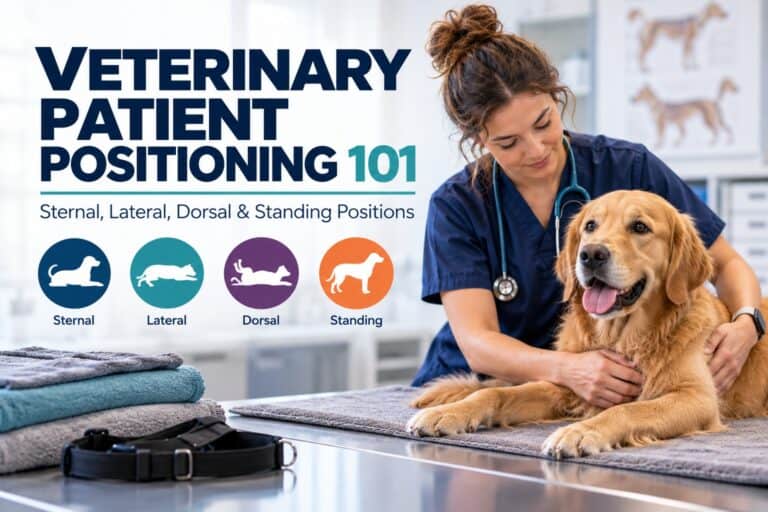
Before you can perform many veterinary skills, you first need to know how to position the patient. Position affects access,…
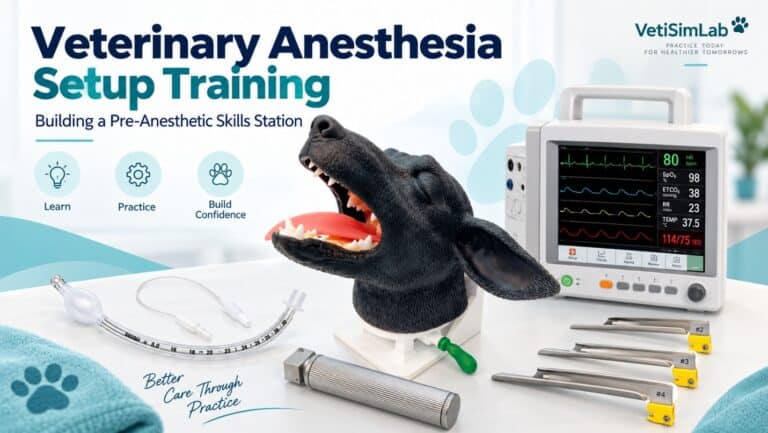
Before a veterinary patient is placed under anesthesia, there is a lot that needs to happen behind the scenes. The…
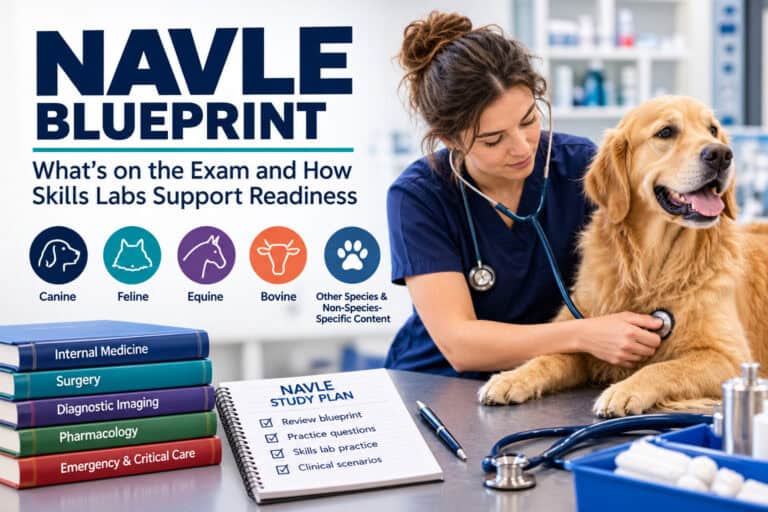
For veterinary students, the North American Veterinary Licensing Examination (NAVLE®) is one of the final major steps toward becoming a…
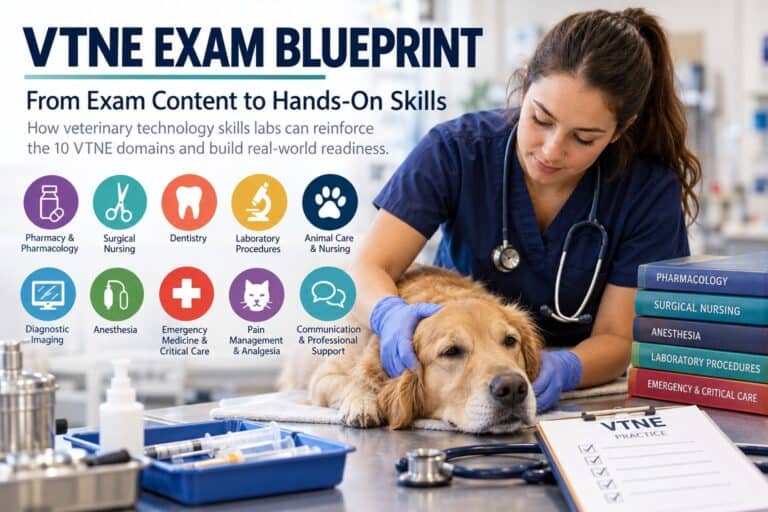
For veterinary technology students, the Veterinary Technician National Examination (VTNE®) is a major step toward professional credentialing. The American Association…