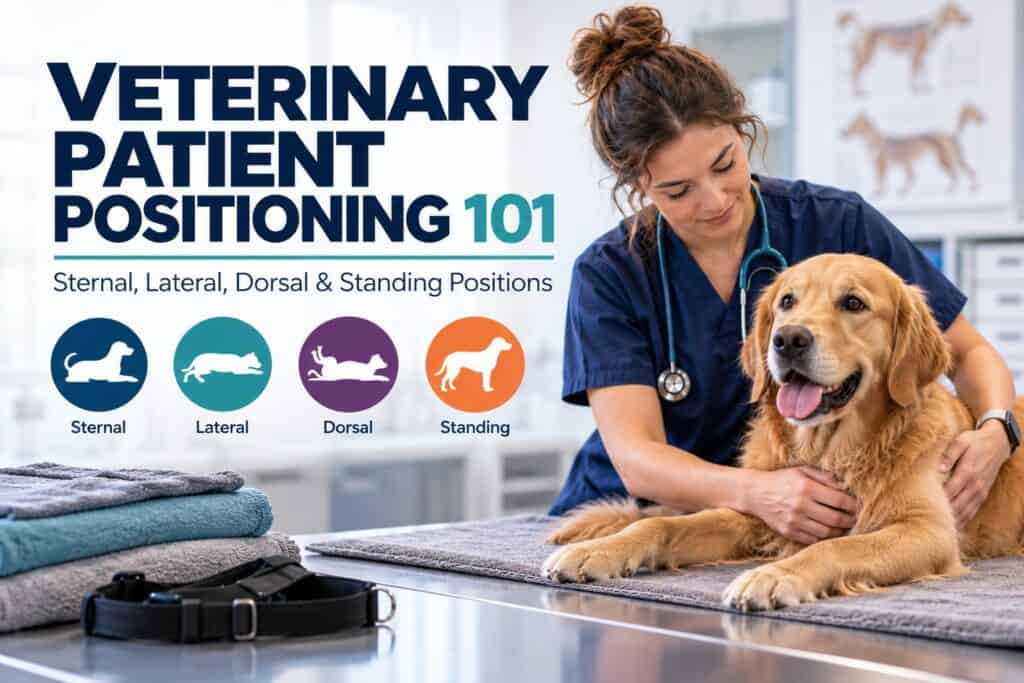
Veterinary Patient Positioning 101: Sternal, Lateral, Dorsal & Standing Positions
Before you can perform many veterinary skills, you first need to know how to position the patient. Position affects access, […]
Read More ›Stay informed and inspired with our veterinary blog, featuring expert insights, industry updates, training resources, and the latest advancements in veterinary simulation and education.
Before you can perform many veterinary skills, you first need to know how to position the patient. Position affects access, […]
Read More ›
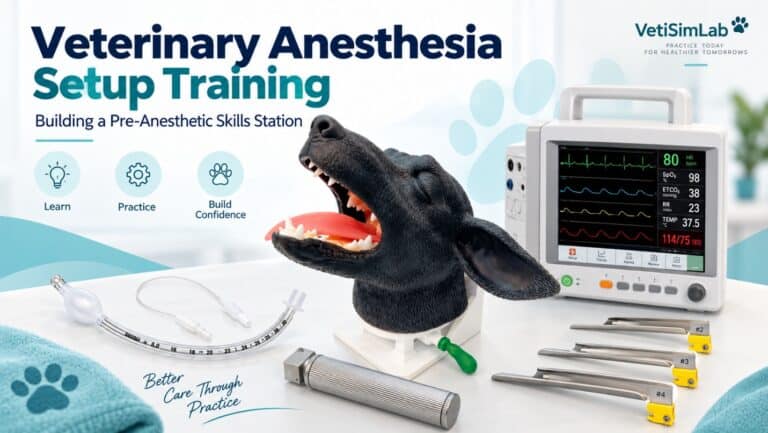
Before a veterinary patient is placed under anesthesia, there is a lot that needs to happen behind the…
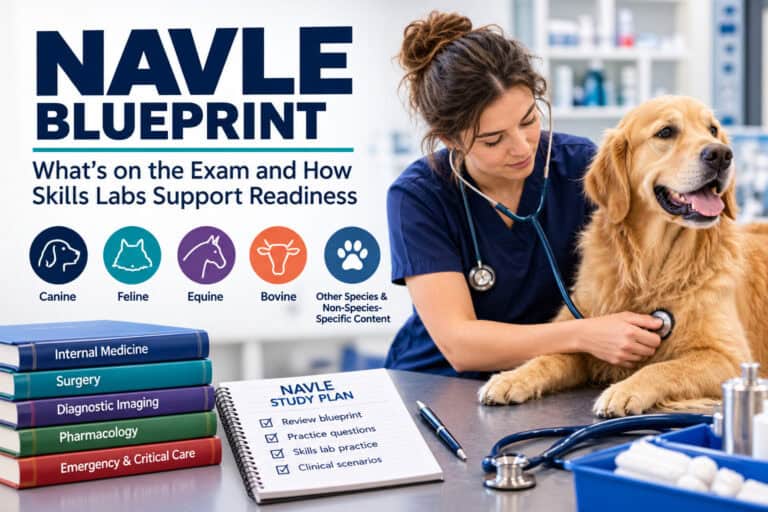
For veterinary students, the North American Veterinary Licensing Examination (NAVLE®) is one of the final major steps toward…
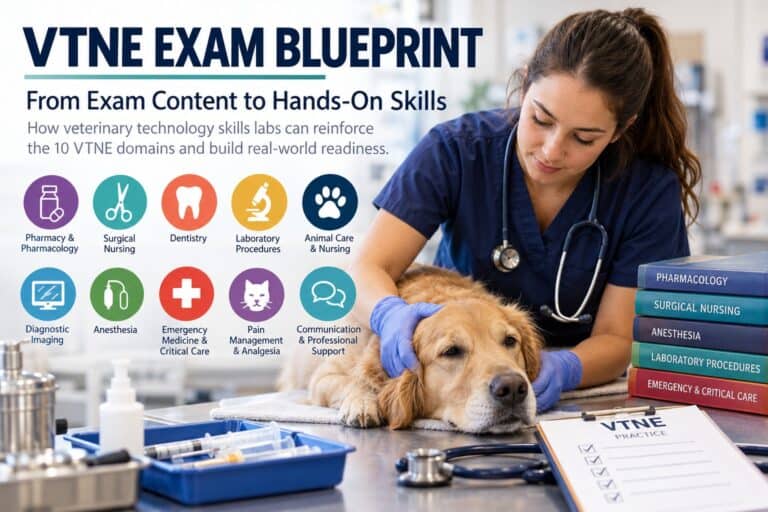
For veterinary technology students, the Veterinary Technician National Examination (VTNE®) is a major step toward professional credentialing. The…
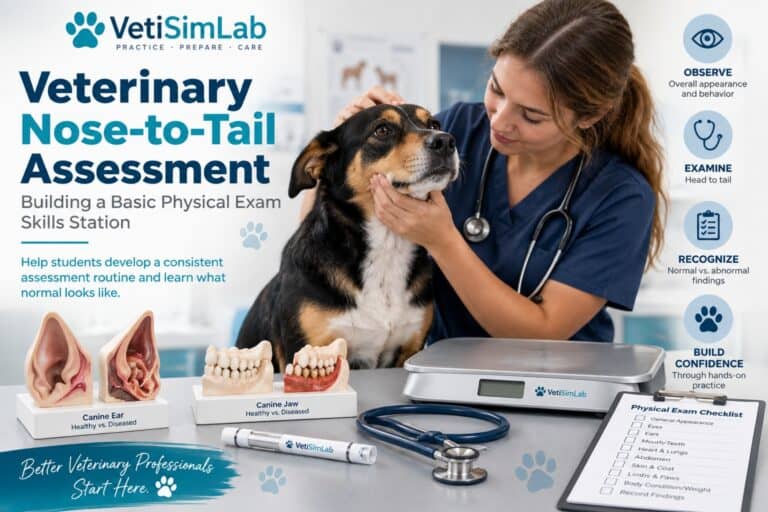
A physical assessment teaches students to look at the whole patient. What do the eyes look like? Are…
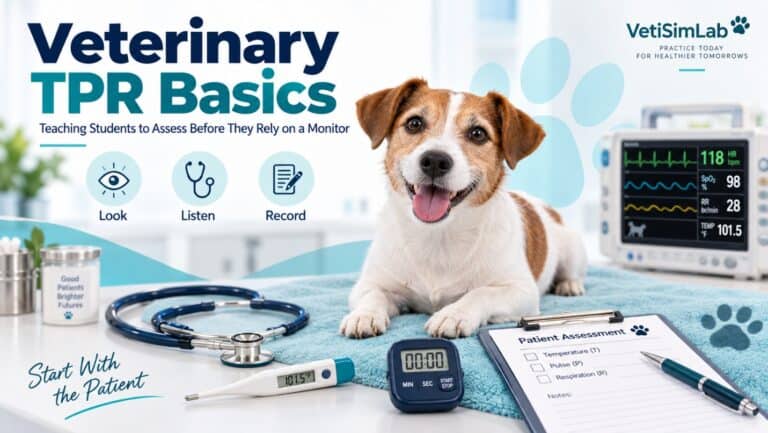
Temperature. Pulse. Respiration. For veterinary technicians, these three measurements are some of the most basic pieces of patient…
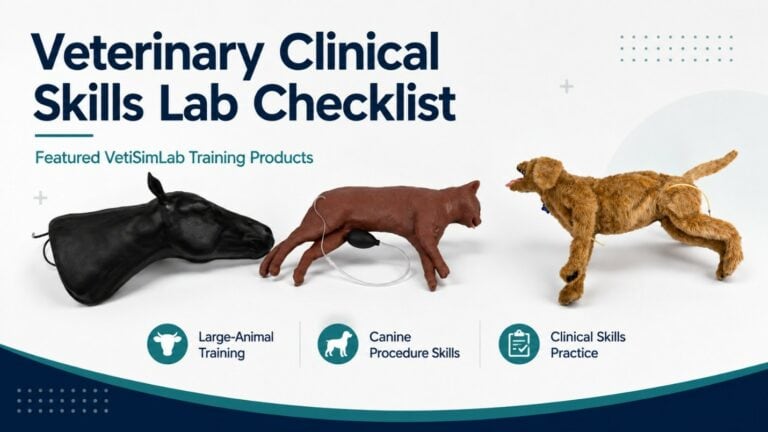
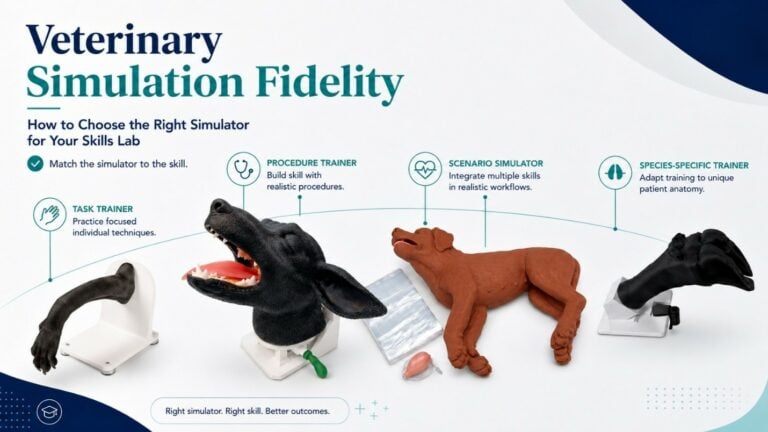
A strong veterinary clinical skills lab is not built by buying the most realistic simulator in every category.…
When a veterinary program starts shopping for simulation equipment, it can be tempting to assume that the most…
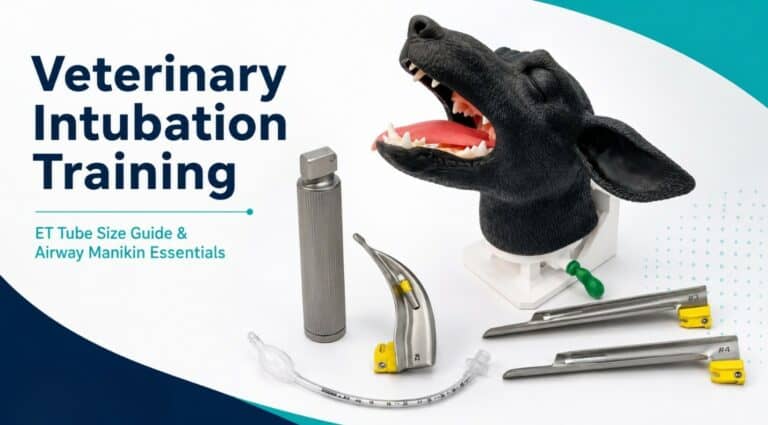
Endotracheal intubation is a foundational veterinary airway-management skill used during general anesthesia, resuscitation, and other situations in which…
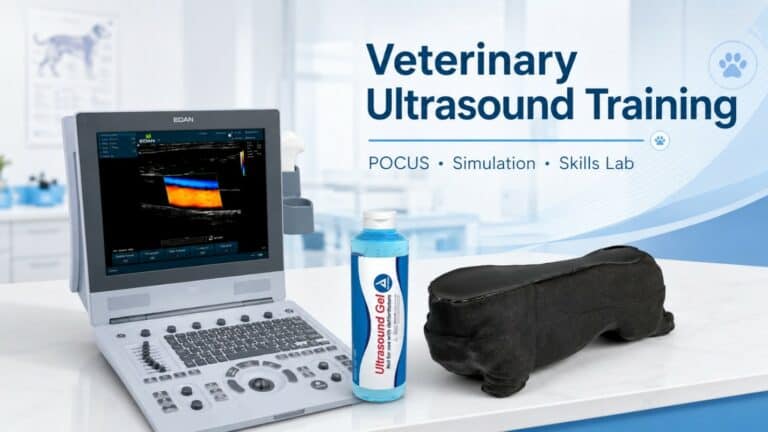
Veterinary point-of-care ultrasound (POCUS) has moved well beyond specialty imaging. In emergency, critical-care, and increasingly general-practice settings, focused…