
FEATURED
Advancing Veterinary Education Through Simulation
Simulation-based training is transforming how veterinary students develop clinical skills — providing safe, repeatable practice before working with live animals.
READ MORE ›Stay informed and inspired with our veterinary resources, featuring expert insights, industry updates, training resources, and the latest advancements in veterinary simulation and education.
Simulation-based training is transforming how veterinary students develop clinical skills — providing safe, repeatable practice before working with live animals.
READ MORE ›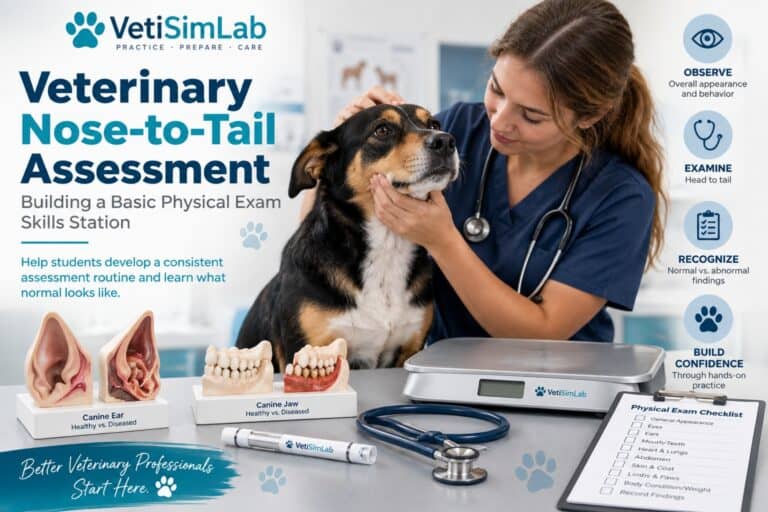
A physical assessment teaches students to look at the whole patient. What do the eyes look like? Are the ears…
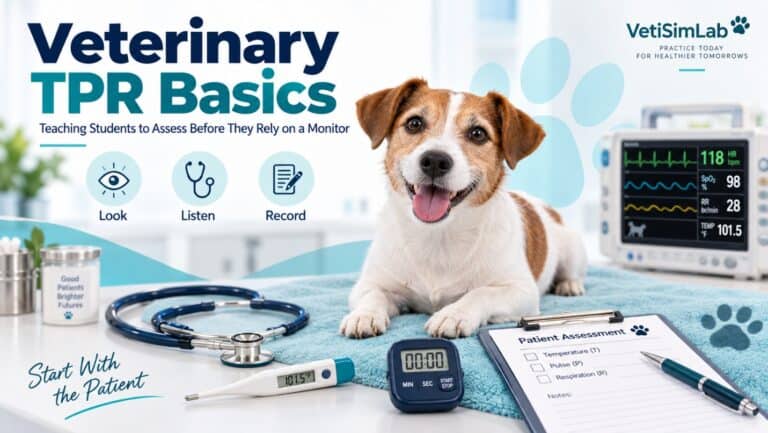
Temperature. Pulse. Respiration. For veterinary technicians, these three measurements are some of the most basic pieces of patient assessment, but…
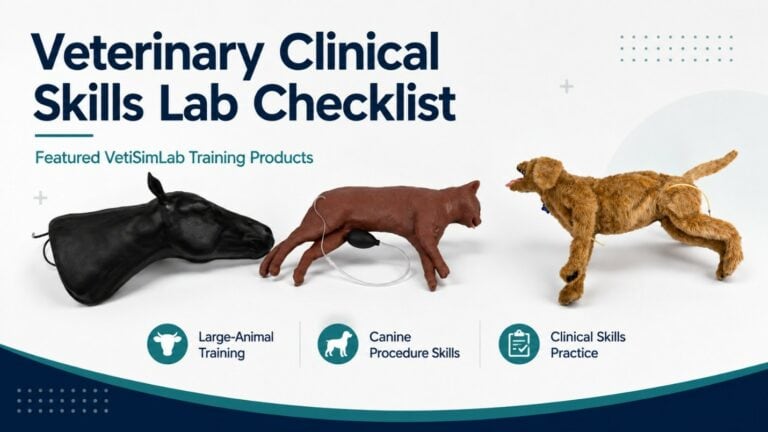
A strong veterinary clinical skills lab is not built by buying the most realistic simulator in every category. It starts…
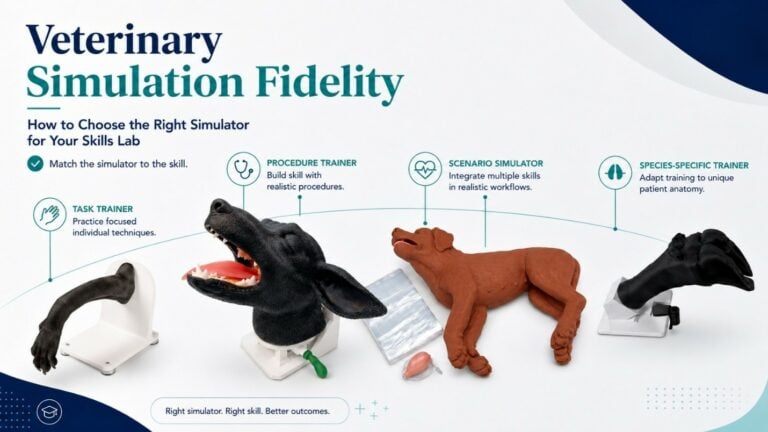
When a veterinary program starts shopping for simulation equipment, it can be tempting to assume that the most realistic simulator…
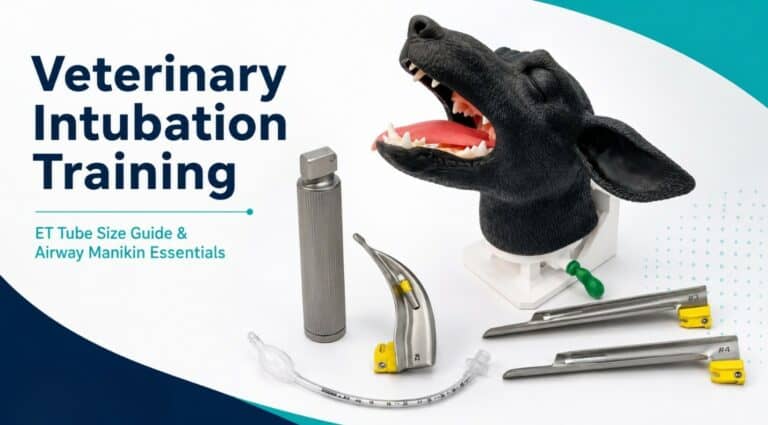
Endotracheal intubation is a foundational veterinary airway-management skill used during general anesthesia, resuscitation, and other situations in which a protected…
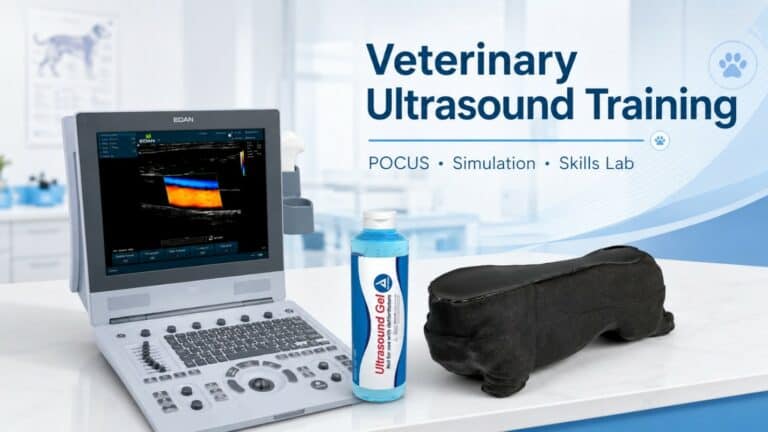
Veterinary point-of-care ultrasound (POCUS) has moved well beyond specialty imaging. In emergency, critical-care, and increasingly general-practice settings, focused ultrasound can…
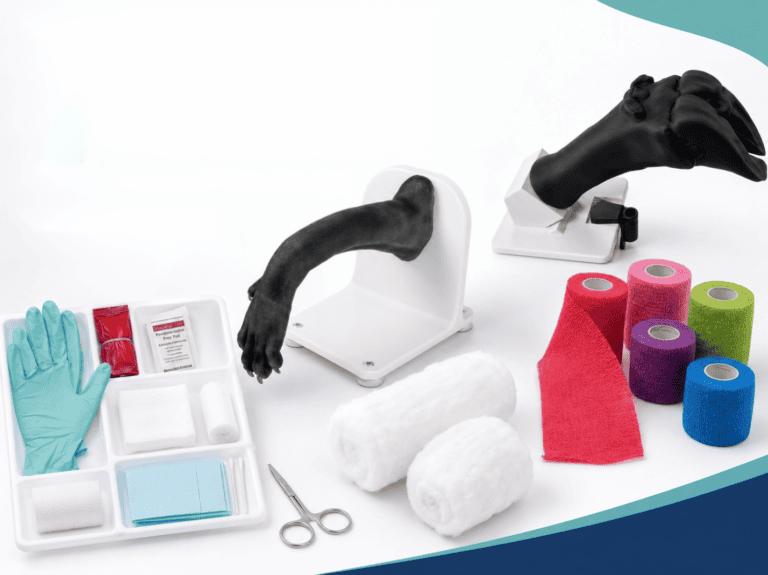
Veterinary bandaging is a hands-on skill in which small technique differences matter. An appropriately applied bandage can protect a wound,…
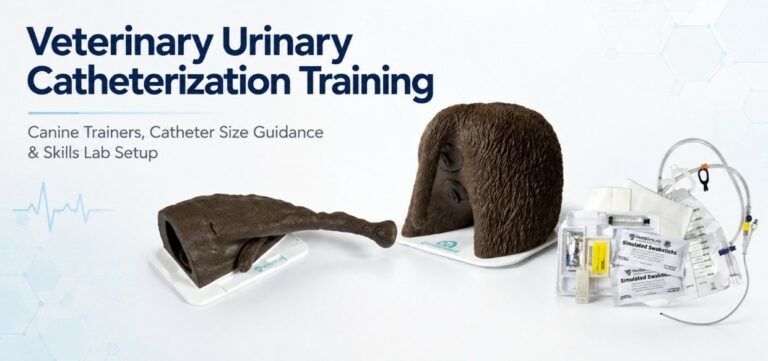
Veterinary urinary catheterization combines anatomical knowledge, catheter selection, patient positioning, aseptic technique, controlled advancement, placement confirmation, securement, and ongoing catheter…
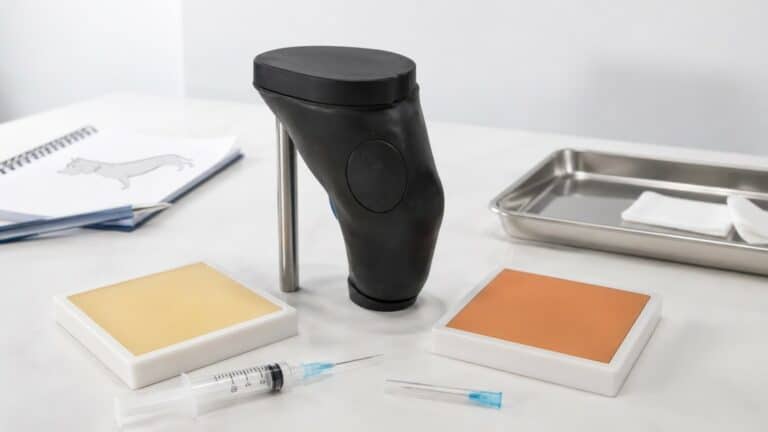
Injection training is one of the most frequently practiced hands-on skills in veterinary education. But “giving an injection” is not…